Guide · August 20, 2026
Salvadoran food: what to try and where, in historic downtown San Salvador
Pupusas, pan con pavo, El Sin Rival sorbets, chocobananos and minutas. A guide to what you have to eat in El Salvador, in the right order, all in one place.
Salvadoran cooking has an export problem: outside the country it gets reduced to a single word, pupusa, and inside it is so taken for granted that almost nobody explains it.
This is the list of what to try — in an order that makes sense, and where to find it in historic downtown.
1. The pupusa
Start here. There is no debate.
Corn or rice masa, a filling, a griddle. The three that define the dish: revuelta (beans, cheese and chicharrón — the benchmark every other is measured against), cheese with loroco — loroco is an edible Central American flower, and it gives a flavor that exists in no other cuisine in the world — and beans and cheese, the simplest one.
Two rules: curtido and salsa are not optional — the pickled cabbage cuts the richness and balances the bite — and you eat them with your hands.
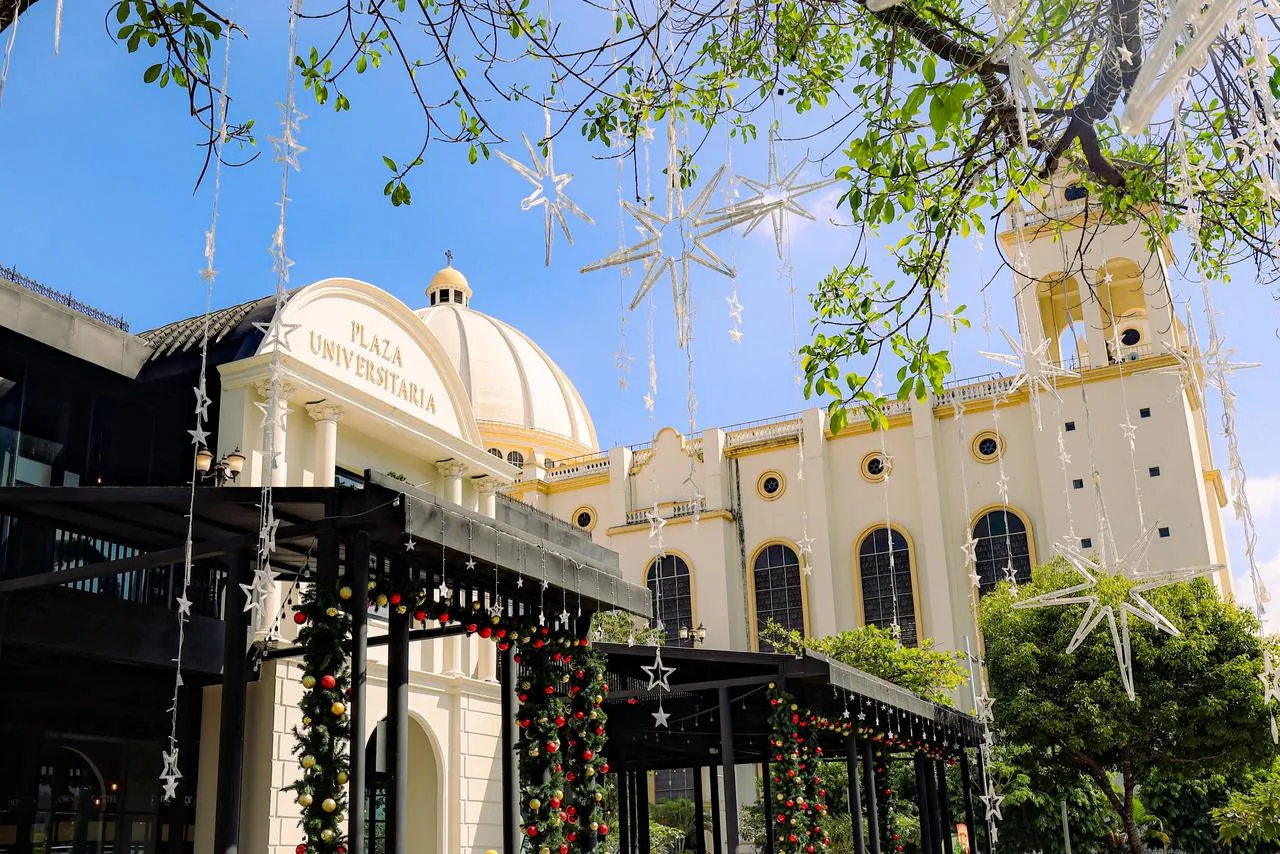
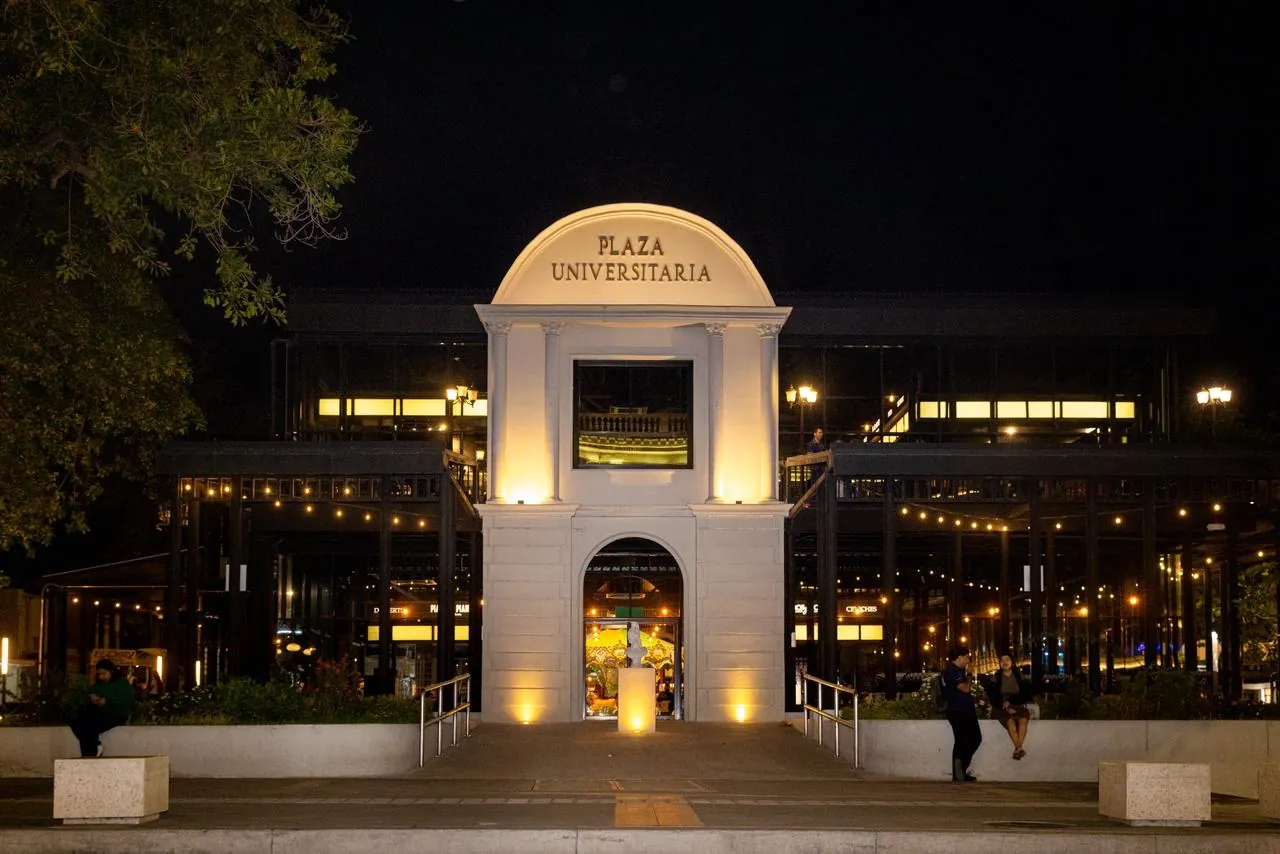
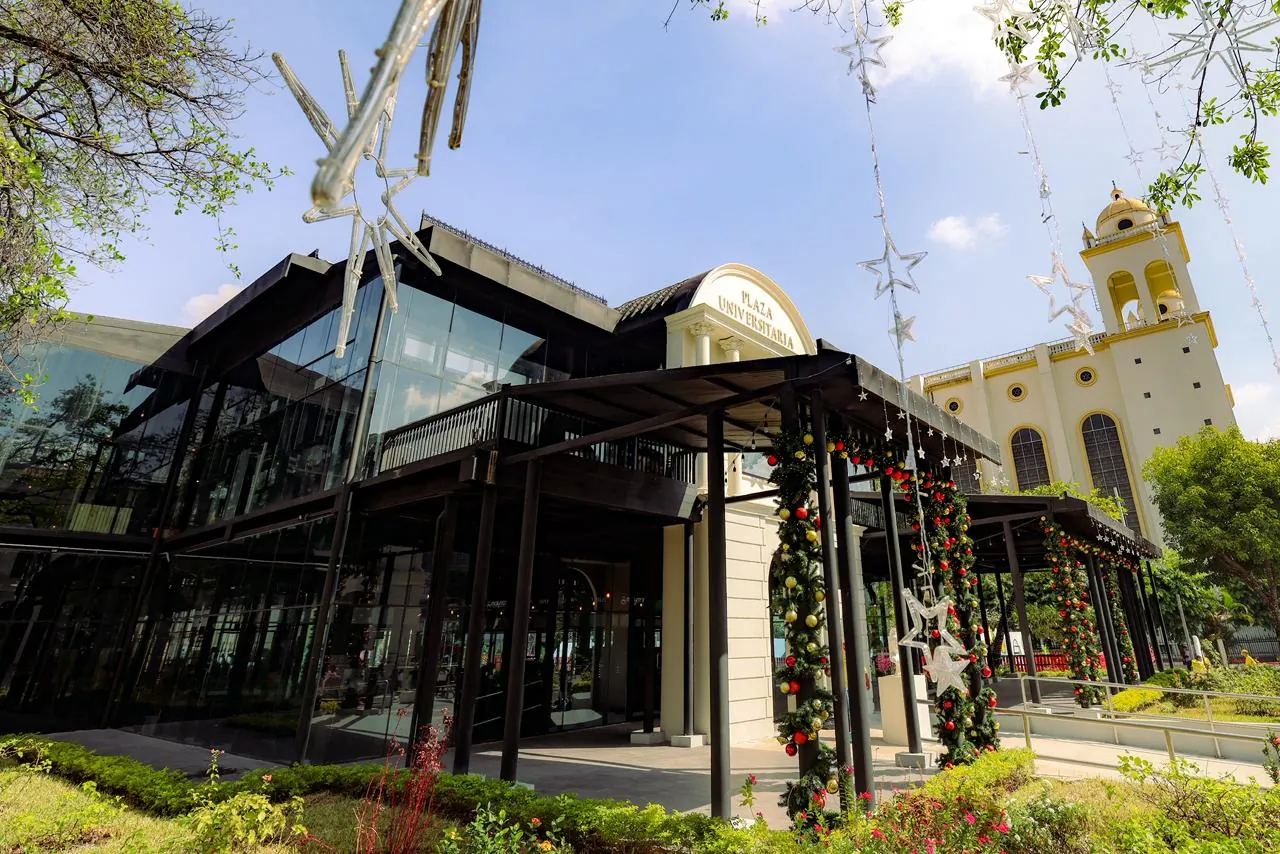
Downtown: Los Boomwalos, inside Plaza Universitaria, made by hand and in plain sight. Full guide in where to eat pupusas in San Salvador.
2. Pan con pavo
The most Salvadoran dish almost no visitor knows, because traditionally it only appears in December.
It is not a turkey sandwich. It is turkey, stuffed, roasted and pulled apart, soaked in its own recado — a dark, spiced sauce that is the soul of the dish — inside a French roll that drinks it up. It is this country’s end-of-year ritual, eaten standing, with a napkin, accepting that you will make a mess.
Downtown: Pavito Criollo serves it all year round, which is the only reason you can try it in August.
3. El Sin Rival sorbets
A Salvadoran sorbet is not ice cream. It is denser, less sweet, and comes from an artisan tradition specific to this country.
El Sin Rival is an institution: most adult Salvadorans associate it directly with their childhood. If you want to understand something about San Salvador’s collective memory in a single bite, this is the shortcut.
4. Minutas and chocobananos
Salvadoran street food, summed up in two cravings.
The minuta is shaved ice with fruit syrup — the corner-stand refreshment, the one you drink while walking. The chocobanano is frozen banana coated in chocolate, and it is the childhood snack of the entire country.
At El Carrusel, beside the carousel turning at the heart of the gallery. Exactly where they ought to be eaten.
5. The coffee
El Salvador is coffee country; that needs no explaining. What is interesting is that downtown you can drink it in two opposite schools: Barista Bot, a robotic barista building it in front of you, and Piano Piano, serving it the Italian way at a long table. See where to have coffee in historic downtown.
The order that works
If you have one visit and want to try everything without regretting it:
- Start savory and local: two pupusas. Revuelta and loroco.
- Follow with pan con pavo, shared. It is substantial; halved it goes further.
- Coffee, to make room.
- Close with a sorbet from El Sin Rival.
- If there is space left: a chocobanano for the road.
What makes this route possible is that everything sits under one roof: in a food hall you don’t have to travel between five addresses to assemble the list.
For visitors from abroad
Three things worth knowing beforehand:
- Spice is not the norm. Salvadoran cooking is not hot the way Mexican cooking is. The salsa on a pupusa is mild.
- You eat with your hands more than you expect. Pupusas, pan con pavo, chocobananos. It is not informality, it is the correct method.
- The hours help. The Plaza is open 11:00 AM to 10:00 PM every day, so this route works equally as lunch or dinner.
And if you are giving downtown a full day, the food fits the walking route past the Cathedral, BINAES, the National Palace and El Rosario Church: things to do in historic downtown.
Plan your visit: Monday to Sunday, 11:00 AM–10:00 PM, Avenida España, historic downtown San Salvador. Free entry, no booking needed. Explore all thirteen kitchens or get a quote for a private event.